
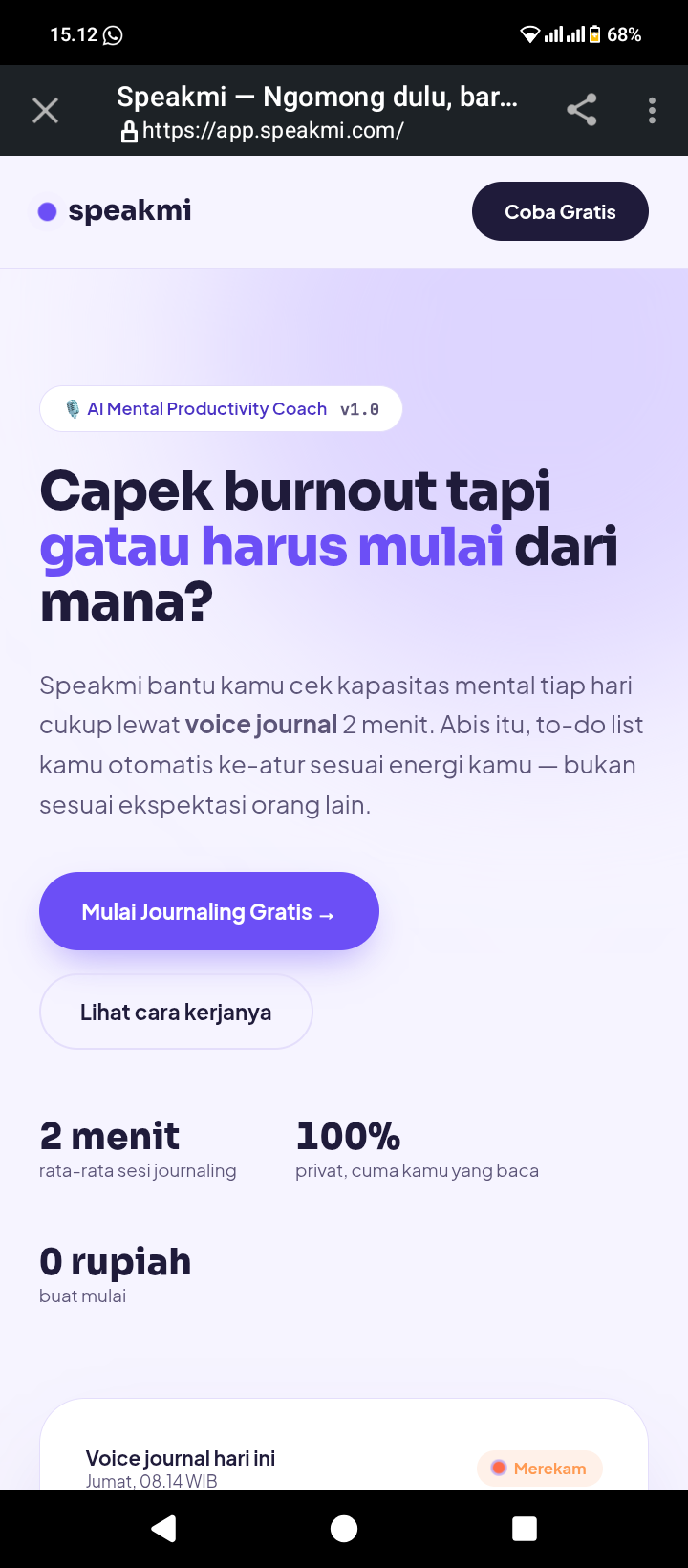



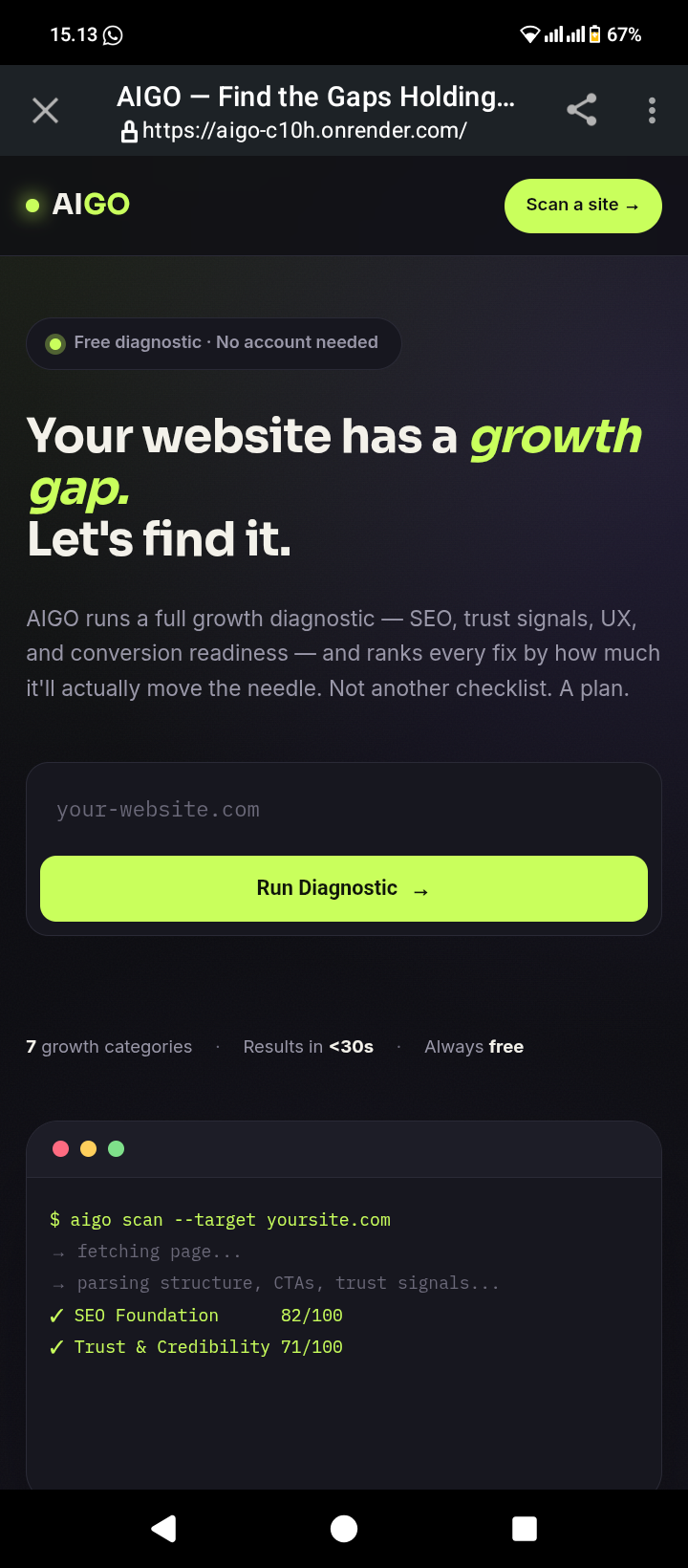
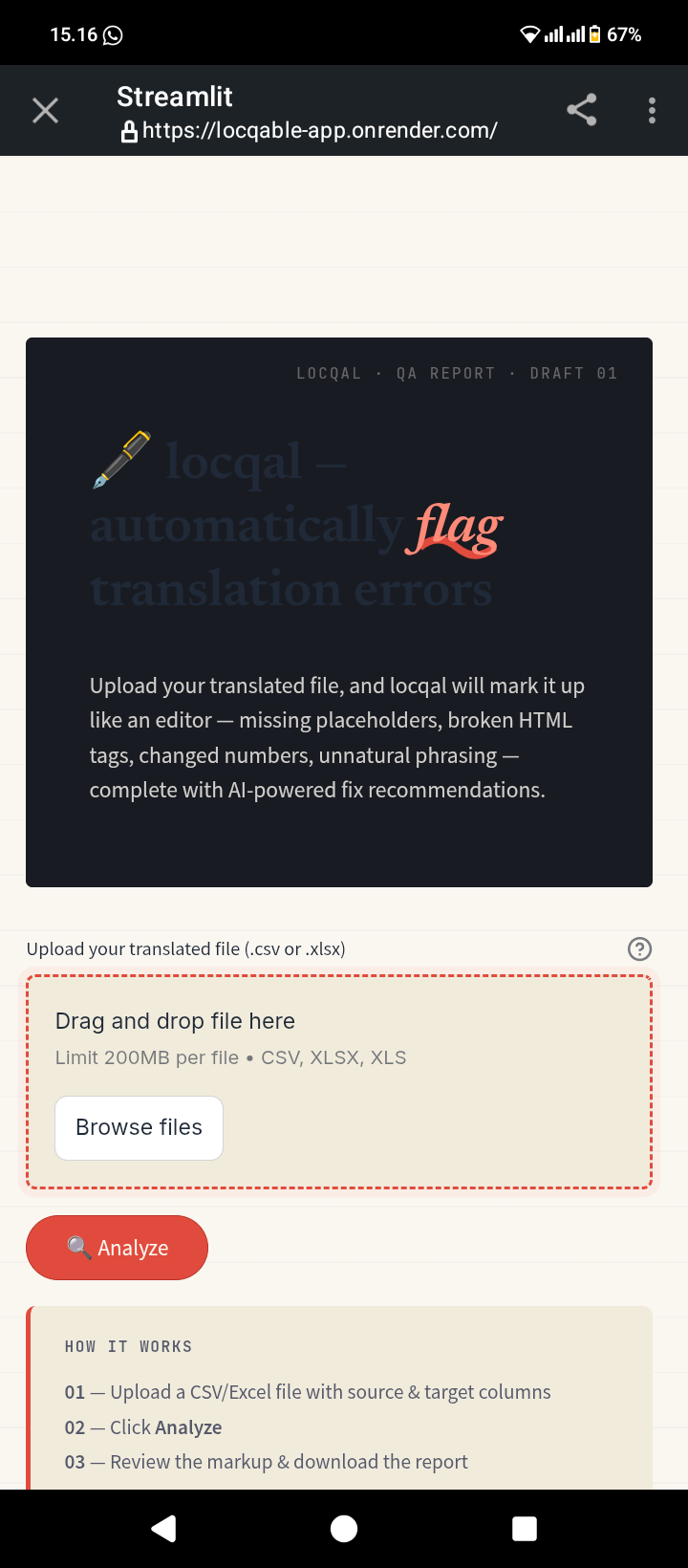


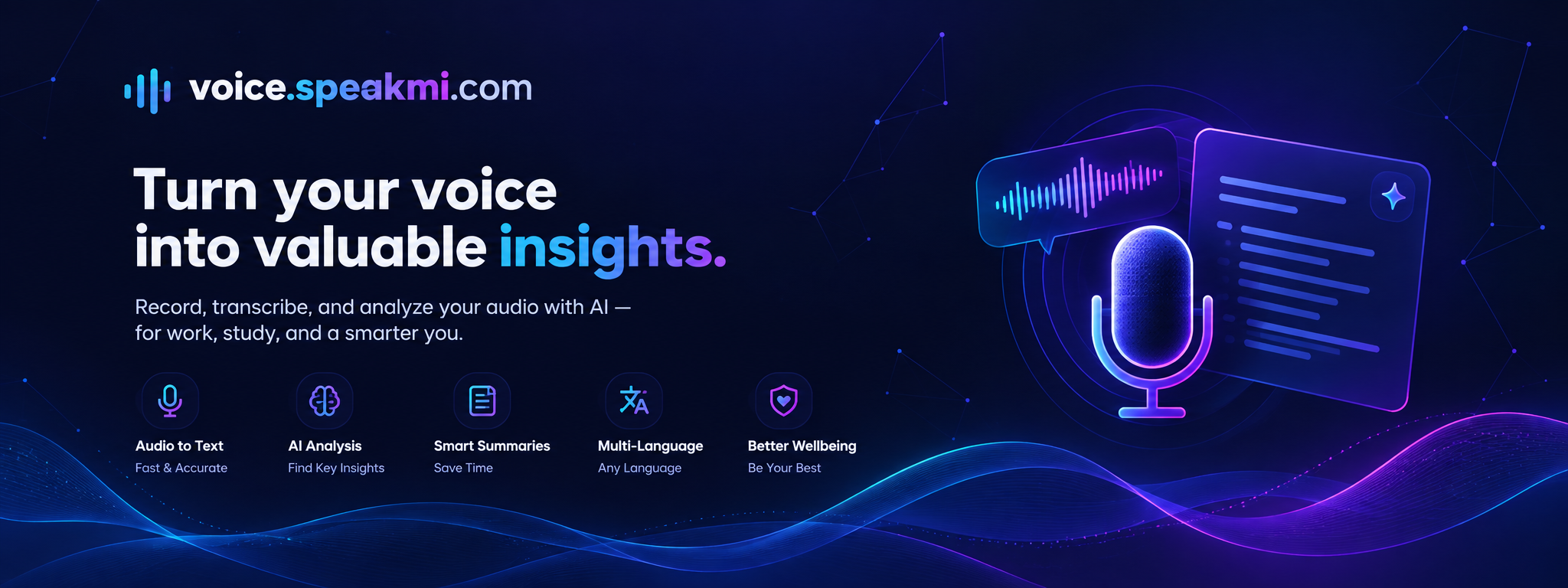
The first version of Speakmi was a voice-journaling app. You'd talk, Whisper would transcribe it, and a DistilBERT model would read the emotional tone back to you — a small mirror for how your day felt. It worked, and people used it. But it left a gap that kept showing up in the same shape: knowing you're stressed doesn't tell you what to do next.
That gap is what the lab is now rebuilding around.
The actual problem isn't emotion — it's capacity
Most productivity tools assume a stable baseline: you have roughly the same energy every day, so you just need better prioritization. That assumption breaks down fast for anyone dealing with chronic stress, burnout, or anxiety — the exact people the new Speakmi App is built for: workers, students, and freelancers whose mental bandwidth genuinely swings day to day.
On a low-capacity day, a perfectly reasonable to-do list can feel like a wall. On a high-capacity day, the same list feels light. A tool that doesn't account for that difference is optimizing against the wrong variable.
What the new loop actually does
Instead of asking "how do you feel," the rebuilt Speakmi asks a more useful question: what can you realistically do today, given where you actually are? The daily loop is built around four things:
- Daily mental-capacity evaluation — a quick, low-friction check-in rather than a full journaling session
- Energy-based prioritization — tasks are ranked against your current bandwidth, not just deadlines
- Realistic recommendations — the app suggests a workload that fits today, not an idealized one
- Early burnout-pattern detection — flagging a declining trend before it becomes a crisis
This is deliberately not a therapy or counseling product. It's a capacity tool — closer to a coach who knows your energy budget than a clinician reading your mood.
Keeping the parts that worked
The Whisper-based voice input stays, because talking is faster than typing on a bad day. The emotion model stays too, feeding the capacity evaluation rather than standing alone as the product's whole value. What's changing is the output: instead of a mirror, Speakmi now hands back a plan.
Smaller, deliberate build choices
Login is now Google Sign-In only — no email-password flow to maintain, no reset-password support burden, and one less piece of friction for someone who's already low on energy. The interface leans into a calm blue-violet palette on purpose: this is a tool for someone's hardest hours, and the UI shouldn't fight that.
The whole build target stays consistent with the rest of the lab: as close to $0 infrastructure cost as possible, Python end-to-end, deployed on free-tier hosting.
Where this is headed
Speakmi Mental Coach is still in dev inside the lab. The company identity is splitting cleanly from the product identity: Speakmi Lab is the studio housing all seven products, while Speakmi App is just one of them — the one this post is about.